





















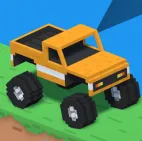
Blockader
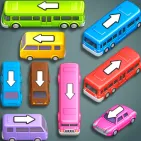
Blockader challenges timing and attentiveness with blocks. Moving obstructions and limited space make every step worth contemplating on the route, which may seem reasonable. Players must watch the layout and move as needed instead of following a set course.
Get Through It
The hardest part is blocks. Some create tight paths, while others block an area and forcing the player to go another way.
Read Gaps
Useful openings may go fast. Players can determine whether to pass or wait by watching the blocks move.
Keep Going
Long-term stagnation reduces alternatives. Controlled mobility helps players avoid being surrounded in tiny spaces.
Keyboard Controls
- W/Up Arrow: Forward
- Down Arrow – Reverse
- Left-arrow to move left
- D / Right Arrow – Move Right
- Spacebar – Jump / Action if supported
- Esc – Pause Game
Less control means more focus on block layout reading and change response.
Don't let blocks stop you
As the road fills, positioning becomes more crucial. Moving too fast can put the player in another barrier, while waiting too long can block the best escape route.
Consider One Move Ahead
Consider where the next opening may be before entering a narrow gap. A little planning can avoid problems later.
Use Available Space
Open spaces allow for detours. Avoiding corners gives players additional options when blocks shift.
Every Try Shows Something
A failed run can reveal more than where the player lost. It may show which gap closes too quickly, where moving is risky, or when to wait.
After repeated efforts, puzzling areas can become clearer. Players start seeing patterns instead than reacting to every change.
Movement Causes Pressure
Blockader is difficult since the environment changes. Moving blocks and player position change.
A successful route may need to be changed. This makes awareness and rapid responses equally crucial.
Break the Blockade
Blockader has simple movement and changeable obstacles. Avoid boxing in, watch the gaps, and alter your course as the environment changes.